Restoring Blood Flow, Restoring Movement
Peripheral Revascularization in Florence, AL
Peripheral revascularization is a minimally invasive peripheral artery disease treatment that restores blood flow through arteries that have become narrowed or blocked, most often due to peripheral artery disease. Left untreated, reduced circulation can cause pain while walking, slow-healing wounds, and in serious cases, put a limb at risk. This procedure addresses the blockage directly, without open surgery.
As one of the latest minimally invasive approaches to vascular treatment, revascularization uses catheter-based techniques such as angioplasty and, when needed, stenting to reopen the affected artery from the inside. Dr. Naidu performs these procedures in our outpatient cath lab, often using radial artery (wrist) access for a more comfortable recovery.
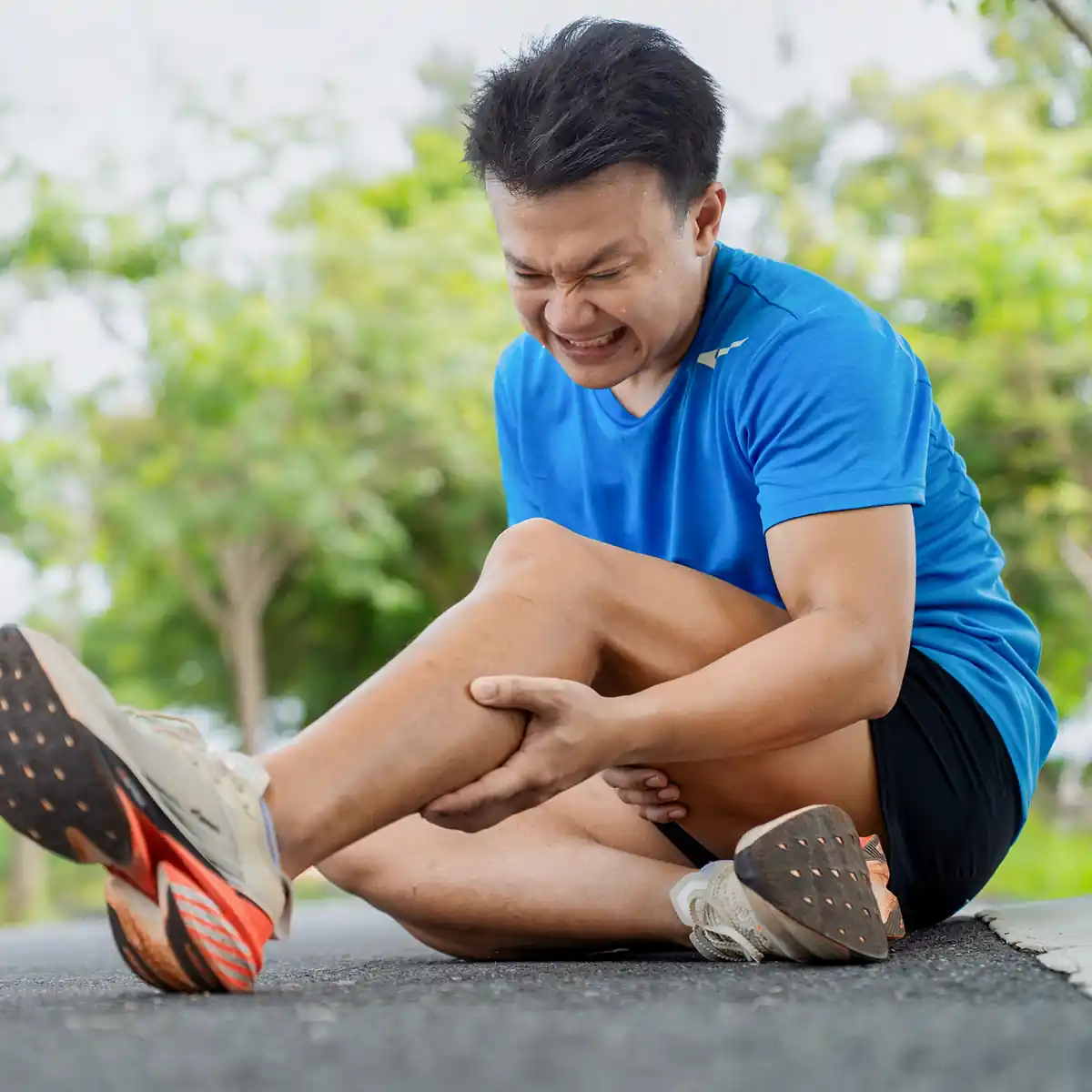
If you've noticed leg pain while walking, cramping that improves with rest, or a wound on your foot or leg that isn't healing well, request an appointment so we can evaluate your circulation.
What to Expect
The Peripheral Revascularization Procedure
The procedure typically begins with Peripheral Angiography to map exactly where blood flow is restricted. From there, Dr. Naidu guides a catheter to the blockage and uses one of several types of revascularization procedures, most commonly a small balloon to widen the artery (a technique called angioplasty), sometimes described by patients searching for blocked leg artery treatment. In some cases, a stent is then placed to help keep the artery open long-term. The entire procedure is performed on an outpatient basis, and most patients go home the same day.
Who Benefits From Revascularization for Peripheral Arterial Disease
Revascularization is most often recommended for patients with peripheral artery disease experiencing pain during activity (called claudication), non-healing wounds, or, in more advanced cases, symptoms that threaten the health of the limb itself. As the interventional cardiologist Florence, AL patients trust for ongoing vascular care, Dr. Naidu keeps a close eye on your overall vascular health, and this procedure is often part of a broader PAD treatment plan that also addresses risk factors like hypertension and hypercholesterolemia, which contribute to arterial narrowing over time.
Recovery and Follow-Up
Most patients notice improved circulation and reduced pain within days of the procedure, though full benefits can take a few weeks to become apparent as blood flow normalizes. Dr. Naidu will schedule follow-up visits to confirm the treated artery is staying open and to monitor your overall vascular health going forward.
Frequently Asked Questions
How is peripheral revascularization different from surgery?
Traditional vascular surgery to bypass a blocked artery requires an incision and a longer recovery. Peripheral revascularization is performed through a small catheter, meaning no large incisions and a much faster return to normal activity for most patients.
Will I need more than one revascularization procedure?
It depends on the extent and location of the blockage, as well as how your body responds to treatment. Some patients need a single procedure, while others with more extensive peripheral artery disease may need additional treatment over time. Dr. Naidu will discuss your specific outlook based on your imaging results.
What can I do to keep my arteries open after treatment?
Managing risk factors like blood pressure, cholesterol, blood sugar, and smoking makes a real difference in keeping treated arteries open longer. Staying active, within the limits Dr. Naidu recommends for your recovery, also supports healthy circulation. He'll give you a specific plan based on your situation.
How do I schedule a consultation near me?
We evaluate and treat peripheral artery disease right here in our Florence office. We also offer online scheduling to make booking easy. Request an appointment and we'll find a time that works. We look forward to seeing you.